One person is holding most of the organization's key relationships in their own head and their own calendar. They're the one who knows the commissioner. They're the one who shows up at the gala. They're the one writing the thank-you notes to the funders. And they're exhausted—not because the work is hard, but because none of it is systematized, delegable, or strategic. It's all reactive.
They've been meaning to get serious about development, or build out partnerships, for two years. It hasn't happened—because every time they try to hire for it, something else gets prioritized first.
Meanwhile, the gaps compound quietly. There's a funder whose mandate already matches the work—in a sector nobody on the team thought to look. That conversation isn't happening because no one has the time or the vantage point to find it. There's an event that needs attended and that's the last thing on your ever growing list.
There's a commissioner's office that would take the call—if someone had built that relationship a year ago. There's a corporate partner who would say yes—if the ask were framed by someone who speaks that language fluently.
You host an event that will be attended and forgotten, because it wasn't designed to convert. There's a partnership that looks good on paper but hasn't moved anything meaningful in two years, and nobody has said so out loud.
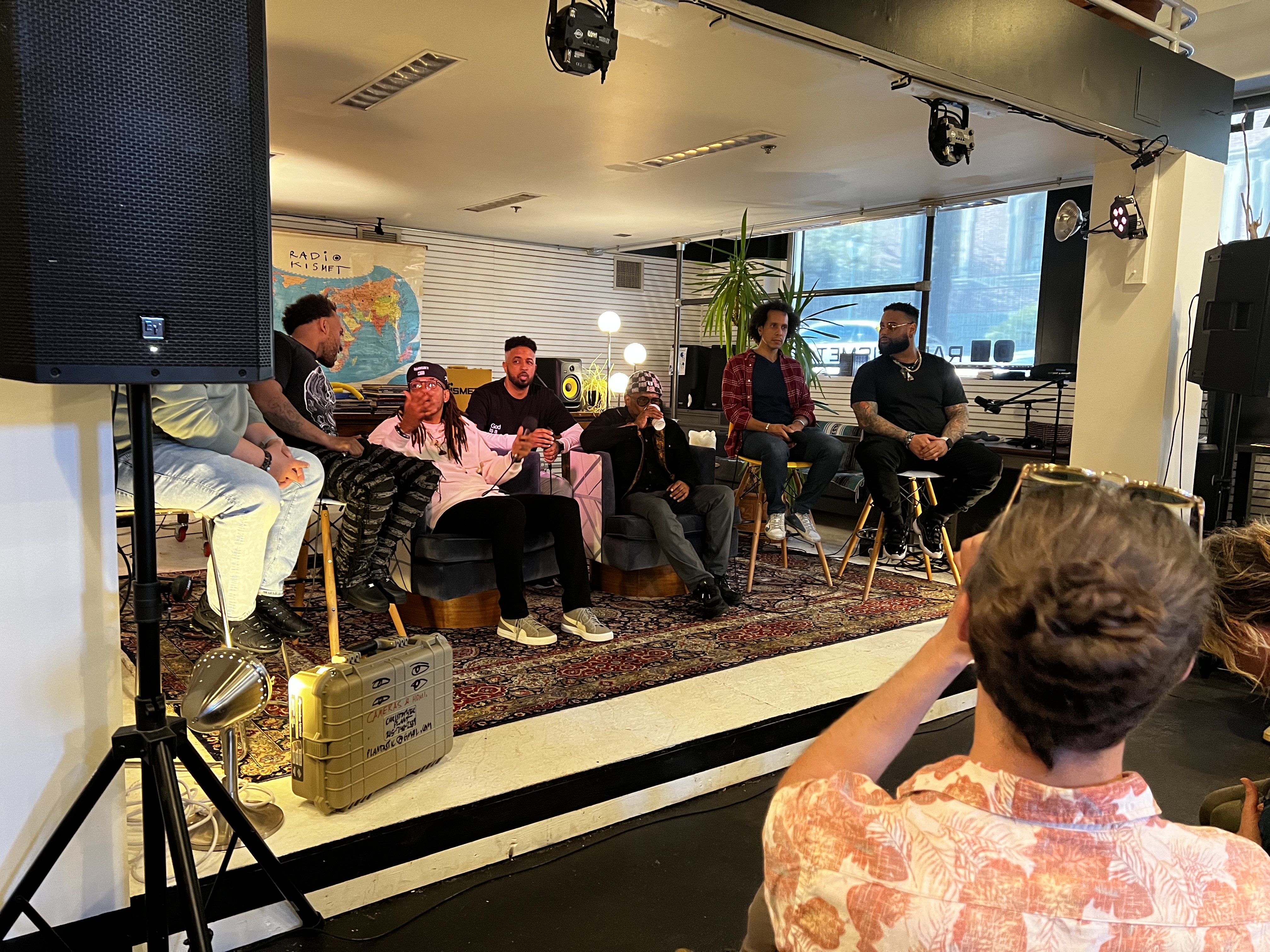
There's a grant being written in isolation because there's no development strategy wrapping it. There's a public image that doesn't match the quality of the work being done inside. There's a room full of the right people—and no one from the organization is in it.
These aren't staffing problems. A single hire doesn't solve any of them. They're running on personal charisma and good intentions—and they know it's not scalable.
We fill the gaps. Not by advising from the outside, but by being in the room, holding the conversation, and seeing what can't be seen from where they're standing.